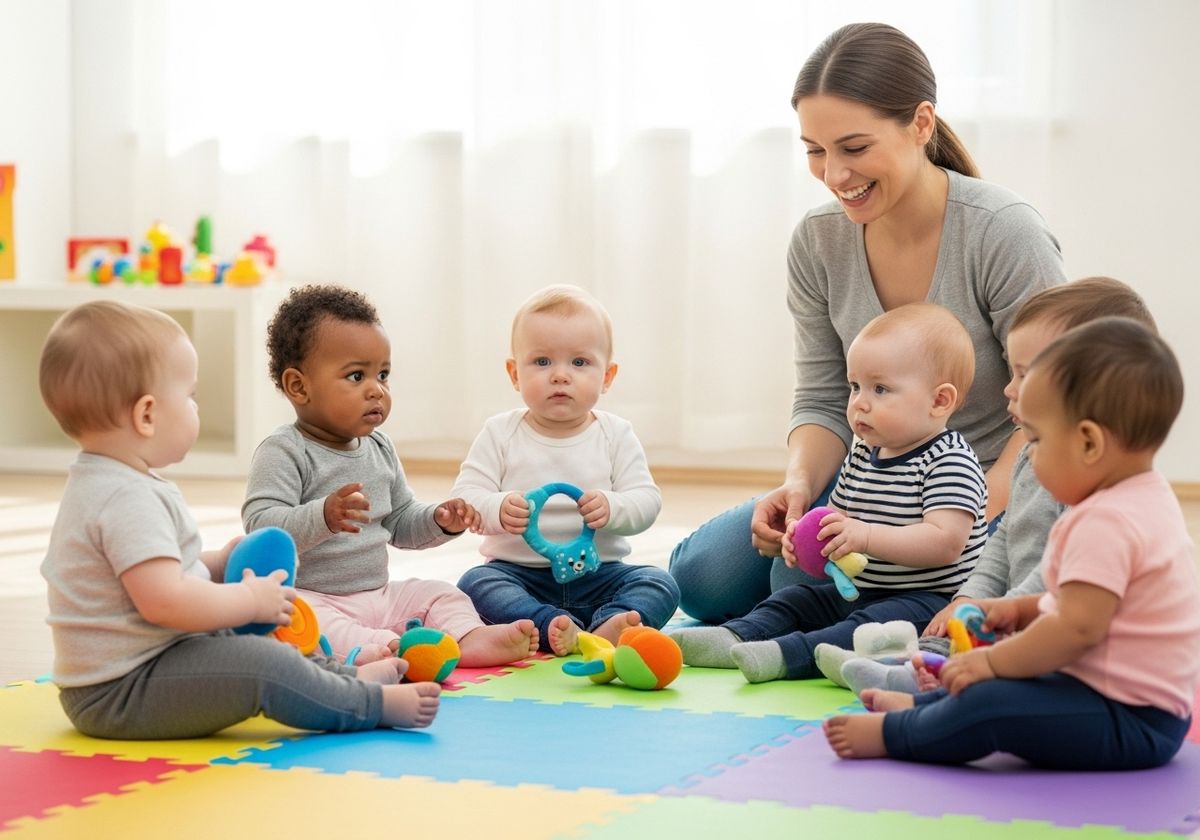
While cognitive and physical development are often highlighted, the significance of social interaction in infancy cannot be overstated. These early connections lay the foundation for emotional intelligence, communication skills, and the ability to form healthy relationships later in life. At Kids Future Learning Center, we understand how crucial these interactions are.

Why Social Interaction Matters for Infants
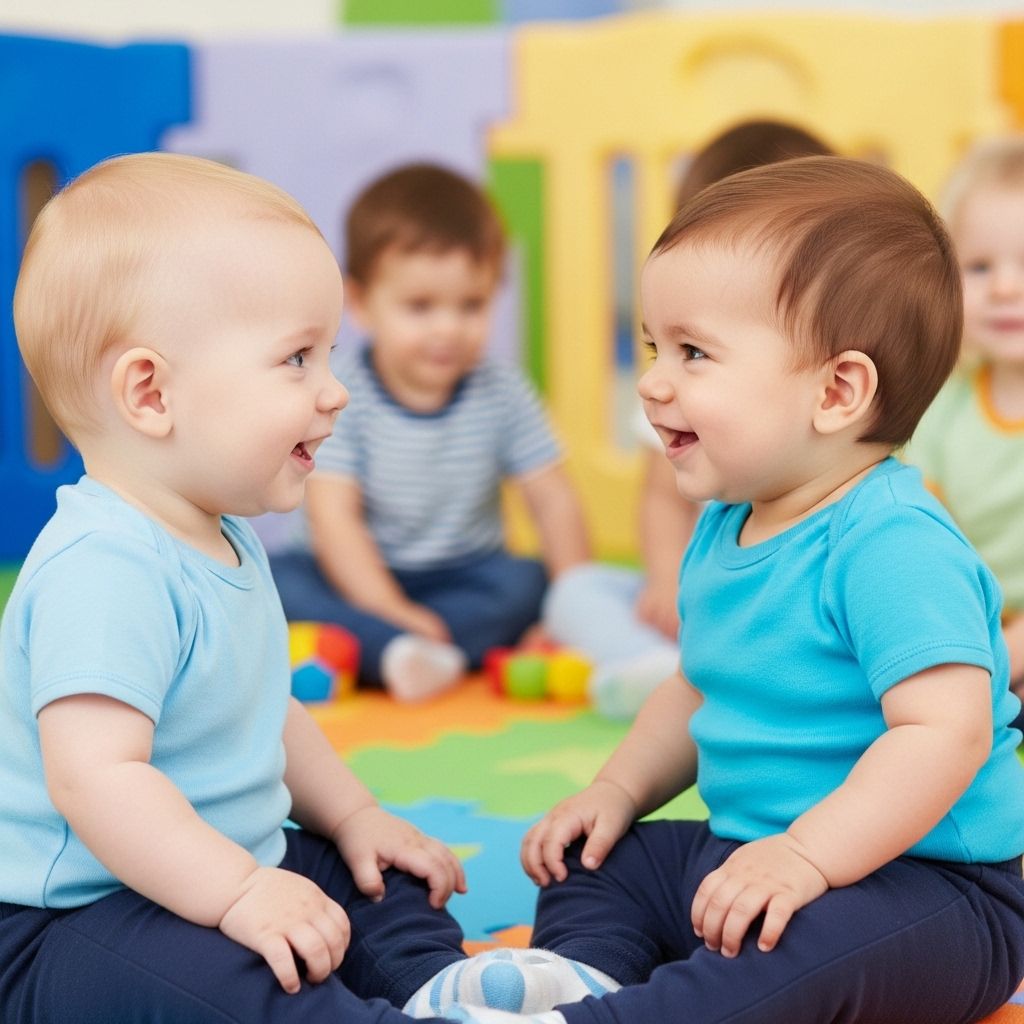
Social interaction is far more than just playtime; it's a fundamental aspect of an infant's growth. Through interactions with caregivers, parents, and peers, babies learn to understand emotions, develop communication skills, and build confidence in their ability to connect with others. These connections contribute significantly to their cognitive, emotional, and social development.
Key Benefits of Social Interaction
Emotional Development: Infants learn to recognize and respond to emotions through facial expressions, tone of voice, and physical touch. These early experiences help them develop empathy and emotional regulation skills.
Language Development: Social interaction is a catalyst for language acquisition. Babies learn to babble, imitate sounds, and eventually speak by interacting with others. Exposure to language-rich environments is crucial for building a strong foundation for communication.
Cognitive Development: Interacting with others stimulates an infant's brain, promoting cognitive growth. Babies learn through observation, imitation, and exploration, all of which are enhanced through social interaction.
Creating Opportunities for Social Interaction
Parents and caregivers can play a vital role in fostering social interaction in infants. Here are some simple yet effective ways to encourage social connections:
Engage in Play: Playdates, even from a young age, provide opportunities for infants to interact with peers. Simple games like peek-a-boo or patty-cake can promote social engagement and bonding.
Talk and Sing: Talking, singing, and reading to infants exposes them to language and encourages communication. Use different tones of voice and facial expressions to convey emotions and engage their attention.
Respond to Cues: Pay attention to your baby's cues and respond promptly to their needs. This helps them develop a sense of trust and security, which is essential for building healthy relationships.
Our curriculum is designed to incorporate activities that encourage positive interactions and foster a sense of community among our young learners. Your peace of mind is our promise, and we strive to make a positive impact on every child who walks through our doors. Contact us today to learn more about our programs and how we can support your child's journey!